What Does Bike Insurance Cover?
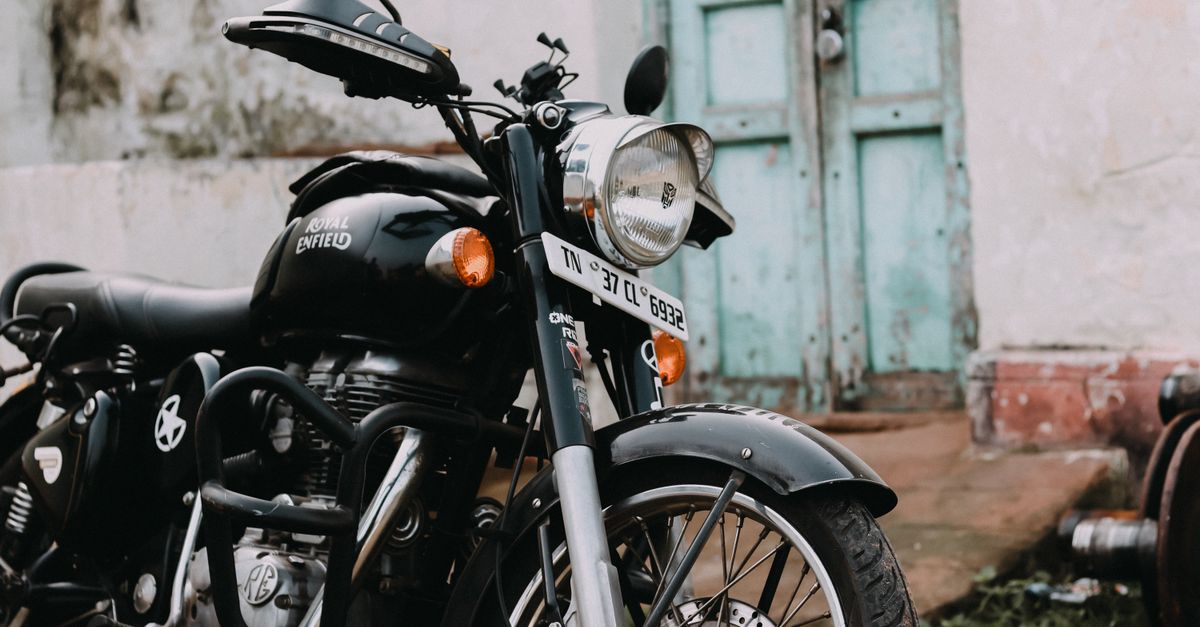
If you're shopping for bike insurance, the first question is usually the most important: what does bike insurance cover? The short answer is that a standard policy is built from several separate coverages, and what you get depends on which ones you choose and the laws in your state. Most policies start with liability coverage, which pays for damage or injuries you cause to others. On top of that, you can add collision, comprehensive, uninsured/underinsured motorist, medical payments, and roadside assistance. Each piece handles a different type of loss, and together they determine how well you're protected. This guide breaks down each coverage type in plain English so you know exactly what you're buying.
Liability Coverage: The Legal Minimum
Liability coverage is the backbone of almost every bike insurance policy. It pays for injuries and property damage you cause to other people when you're at fault in an accident. It's split into two parts:
- Bodily injury liability covers medical bills, lost wages, and legal fees if you injure someone else. It also pays for your legal defense if you're sued.
- Property damage liability pays to repair or replace someone else's vehicle, fence, or other property you damage.
Nearly every state requires some level of liability coverage to ride legally. The minimum limits are often low—something like $25,000 per person and $50,000 per accident for bodily injury—so many riders buy higher limits for better protection. Keep in mind that liability never covers your own injuries or your own bike. That's what the other coverages are for.
Collision and Comprehensive: Protecting Your Own Bike
If you want your insurer to pay for damage to your motorcycle, you need collision and comprehensive coverage.
Collision covers damage from hitting another vehicle or object, or if you flip the bike. It pays to repair or replace your motorcycle, minus your deductible.
Comprehensive covers almost everything else that isn't a collision: theft, fire, vandalism, hail, flooding, falling objects, and even hitting an animal. Theft is a big one—bikes are easy targets, and comprehensive is the only way to get reimbursed if yours disappears.
These two coverages are usually required if you finance or lease your bike. Even if you own it outright, they're worth considering because replacing a motorcycle out of pocket is expensive. Together, collision and comprehensive are often called "physical damage" coverage.
Uninsured/Underinsured Motorist and Medical Payments
Not every driver carries adequate insurance. Uninsured/underinsured motorist (UM/UIM) coverage steps in when you're hit by a driver with no insurance or limits too low to cover your injuries. It can pay for your medical bills, lost wages, and pain and suffering—up to your policy limits.
Medical payments (MedPay) coverage is another layer. It pays for medical expenses for you and your passenger after an accident, regardless of who was at fault. It can cover hospital visits, surgery, X-rays, and even health insurance deductibles. MedPay is relatively cheap and can fill gaps in your health insurance.
Some states require UM/UIM, while others make it optional. MedPay is optional in most states but highly recommended if you don't have robust health insurance.
Custom Parts, Accessories, and Roadside Assistance
Standard policies often limit coverage for custom parts and accessories. If you've added a custom exhaust, saddlebags, or a fancy paint job, you may need to add custom parts and equipment (CPE) coverage. This ensures those upgrades are protected in a covered loss, usually up to a specified amount.
Roadside assistance is another add-on that's especially useful for riders. It can cover towing to the nearest shop, flat tire changes, jump-starts, and lockout services. Some policies include it automatically; others offer it as a cheap extra. Given how vulnerable a bike can be to breakdowns, it's often worth the few dollars a month.
Other optional coverages include trip interruption (pays for lodging and food if your trip is cut short by a covered loss) and total loss coverage (pays for a new bike if yours is totaled).
What Bike Insurance Typically Doesn't Cover
Just as important as knowing what's covered is knowing what isn't. Standard bike insurance usually excludes:
- Wear and tear: Brake pads, tires, and chains wear out over time—that's maintenance, not an accident.
- Mechanical breakdown: If your engine dies due to a mechanical failure, it's not covered unless you bought specific mechanical breakdown coverage.
- Racing or track days: Most policies exclude high-speed racing, stunt riding, and closed-course events.
- Intentional damage: If you deliberately damage your own bike, you're on your own.
- Personal belongings: Items you carry, like a laptop or camping gear, aren't covered unless you add a specific endorsement.
Always read the exclusions section of your policy. It's where you'll find the surprises.
Frequently asked questions
Does bike insurance cover theft?
Only if you have comprehensive coverage. Liability, collision, and medical payments won't pay if your bike is stolen. Comprehensive coverage handles theft, and it's usually required if your bike is financed.
Is bike insurance required in all states?
Liability insurance is required in almost every state, but the minimum limits vary. Some states also require uninsured/underinsured motorist coverage. Check your state's DMV or insurance department for exact requirements.
Will bike insurance cover my passenger's injuries?
Medical payments coverage typically extends to passengers on your bike, up to the policy limit. Their own health insurance may also apply. Liability coverage can also pay if you're at fault and the passenger files a claim.
Does bike insurance cover custom parts?
Standard policies often have low limits for custom parts and accessories. To fully protect expensive upgrades, you'll need to add custom parts and equipment coverage, which increases your premium slightly.
What happens if I'm hit by an uninsured driver?
If you have uninsured/underinsured motorist coverage, your insurer will step in to cover your injuries and sometimes property damage, up to your limits. Without it, you'd have to pursue the driver personally, which is often futile.