Bike Insurance vs Car Insurance: Key Differences
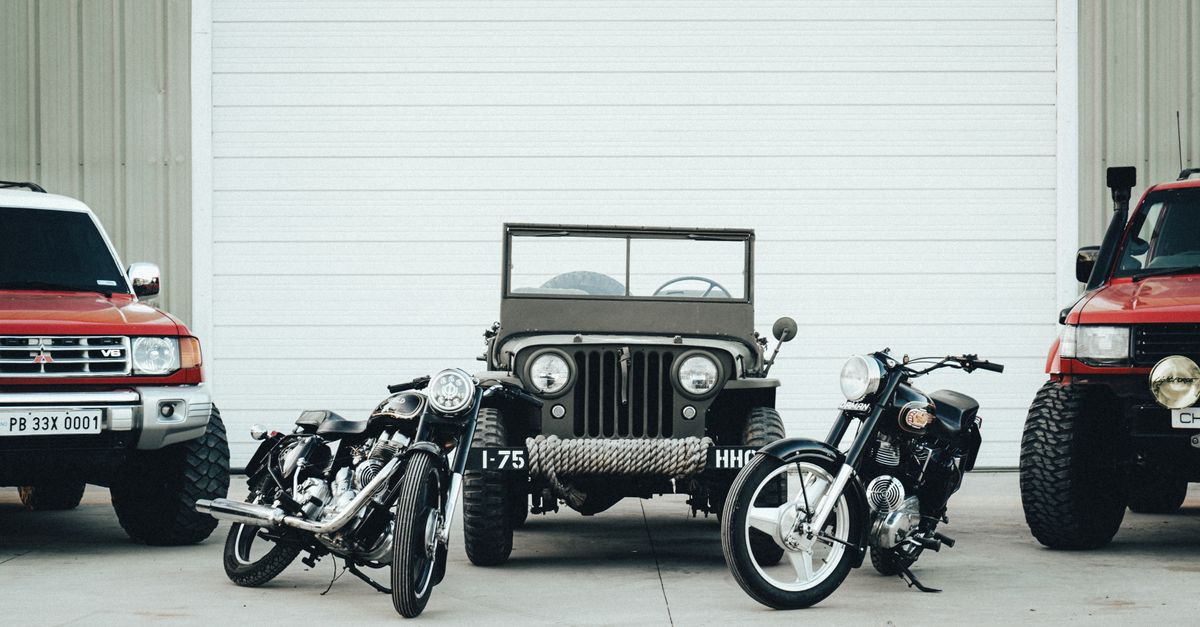
If you're trying to decide between bike insurance vs car insurance, the short answer is: they cover different vehicles, but the core idea is the same—protect yourself financially if something goes wrong. That said, the details matter. A policy for a motorcycle or scooter typically costs less, but it may also come with narrower coverage and different legal requirements than auto insurance. Whether you're a rider, a driver, or both, understanding how these two types of policies stack up will help you avoid gaps and overspending.
What Each Policy Covers
At a basic level, bike insurance is designed for two-wheeled vehicles—motorcycles, scooters, mopeds, and sometimes e-bikes. Car insurance covers passenger cars, SUVs, and light trucks. Both can include liability, collision, comprehensive, and uninsured/underinsured motorist coverage.
But the specifics diverge. Bike policies often have lower liability limits by default, and some states require less coverage for motorcycles than for cars. Comprehensive coverage on a bike may exclude accessories like custom exhausts or saddlebags unless you add them. Car policies, on the other hand, usually include more standard features like rental reimbursement and roadside assistance—though you often pay extra for those, too.
One key difference: many bike policies don't cover passengers unless you add passenger liability. Car policies typically cover all passengers as part of the base liability coverage. If you frequently ride with a passenger, that's a gap to watch.
Cost: Why Bikes Are Usually Cheaper
When comparing bike insurance vs car insurance, price is the most obvious difference. Motorcycle insurance tends to be significantly cheaper—often 50% to 75% less than car insurance for similar coverage levels. Why? Bikes cost less to replace, cause less damage in a collision, and are driven fewer miles per year on average.
But cheap isn't always simple. If you finance a bike, the lender will require full coverage, which pushes the price up. And if you have a poor driving record or are under 25, your bike premium can still be hefty. Car insurance, meanwhile, is more standardized: rates vary by age, location, vehicle type, and history, but the spread between the cheapest and most expensive policies is wider for bikes because there are more niche insurers.
Also consider this: if you own both a car and a bike, you might qualify for a multi-vehicle discount. That can make insuring both cheaper than insuring them separately.
Legal Requirements and State Minimums
Almost every state requires car insurance if you drive. The minimums vary, but typically include bodily injury liability and property damage liability. Some states also require personal injury protection (PIP) or uninsured motorist coverage.
For bikes, the rules are similar but not identical. Most states require liability insurance for motorcycles, but the minimum limits are often lower. For example, a state might require 25/50/25 for cars but only 20/40/10 for bikes. A few states—like Florida—don't require motorcycle insurance at all if you wear a helmet and meet other conditions, though riding uninsured is risky.
Helmet laws also play a role. In states without universal helmet laws, your medical payments coverage becomes more important, because a crash without a helmet can lead to catastrophic injuries that health insurance might not fully cover. Car insurance doesn't have an equivalent helmet-related loophole.
Coverage Gaps and Add-Ons
Both bike and car policies have gaps, but they differ. On a bike, standard policies often exclude:
- Custom parts and accessories (unless you add them)
- Safety apparel (helmets, jackets, gloves)
- Towing and roadside assistance (often an add-on)
- Passenger liability (unless specified)
On a car, common exclusions include:
- Personal belongings stolen from the car
- Wear and tear
- Mechanical breakdown
- Custom modifications
Add-ons also vary. For bikes, you can buy accessory coverage, trip interruption, and even track-day insurance. For cars, you can add rental reimbursement, gap insurance, and roadside assistance. The takeaway: don't assume your bike policy mirrors your car policy. Read the fine print, especially if you've customized your ride.
Claims and Payouts: What to Expect
Filing a claim works similarly for both—you report the incident, get an estimate, and the insurer pays out according to your coverage. But there are practical differences.
For bikes, total loss settlements can be trickier because market values fluctuate more. Customizations often don't increase the payout unless you have accessory coverage. And if your bike is your only vehicle, a total loss can leave you without transportation while you wait for a settlement.
For cars, the process is more standardized. Repair networks are larger, and rental reimbursement is more common. Still, both types of claims can take weeks. The best way to smooth things out is to document everything: photos, receipts, and police reports.
Which One Do You Need?
If you ride a motorcycle or scooter, you need bike insurance—both for legal compliance and financial protection. If you drive a car, you need car insurance. If you own both, you need both policies, though you can often bundle them for a discount.
The decision isn't either/or. It's about matching coverage to the vehicle you're operating. And remember: the cheapest policy isn't always the best. A low premium with high deductibles or low liability limits can leave you exposed after an accident. Compare quotes, check financial strength ratings, and read reviews before you buy.
Frequently asked questions
Is bike insurance cheaper than car insurance?
Yes, generally. Motorcycle and scooter insurance typically costs 50% to 75% less than car insurance for similar coverage, mainly because bikes are cheaper to replace and cause less damage in collisions. However, your rate depends on your age, location, driving record, and the type of bike.
Can I drive a car with bike insurance?
No. Bike insurance only covers the specific two-wheeled vehicle listed on the policy. If you drive a car, you need a separate car insurance policy. Driving a car without car insurance is illegal in almost every state.
Do I need uninsured motorist coverage for a bike?
It's not required in every state, but it's highly recommended. Uninsured motorist coverage protects you if you're hit by a driver with no insurance or a hit-and-run driver. Given that motorcyclists are more vulnerable, this coverage can be a lifesaver.
Does bike insurance cover passengers?
Not always. Many standard bike policies exclude passenger liability unless you add it. If you ride with a passenger, check your policy and consider adding passenger coverage. Car insurance typically covers all passengers as part of liability coverage.
Can I bundle bike and car insurance?
Yes, many insurers offer multi-vehicle discounts if you insure both a bike and a car with them. Bundling can save you 10% to 25% on each policy, but always compare quotes from multiple companies to ensure you're getting the best deal.