Bike Insurance for Delivery Riders: What to Know
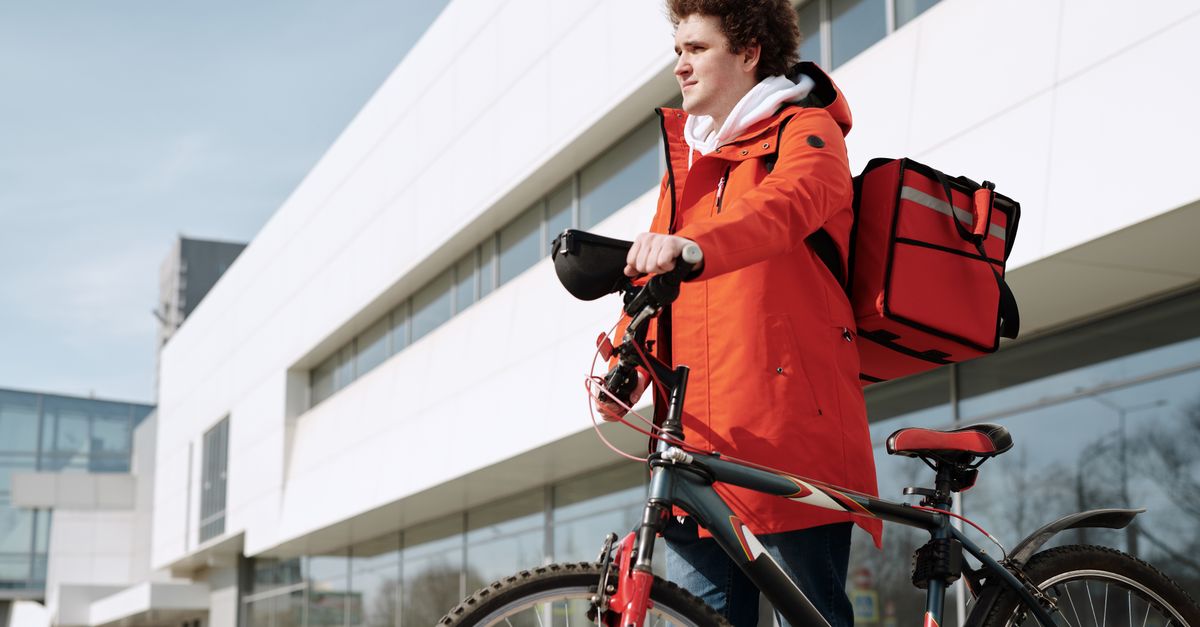
If you're a delivery rider, your bike isn't just a way to get around—it's your livelihood. But here's the catch: standard motorbike or scooter insurance often doesn't cover you when you're working for a delivery app or courier company. That means if you have an accident while on a job, you could be left paying out of pocket, or worse, facing a legal headache. The good news is that bike insurance for delivery riders exists, and it's designed to keep you protected while you're on the clock. In this guide, we'll walk through what you need to know, from policy types to common pitfalls, so you can ride with confidence.
Why Standard Bike Insurance Falls Short for Delivery Riders
Most standard bike insurance policies are built for personal use—commuting, weekend rides, the occasional trip to the shops. The moment you start using your bike to earn money, whether through Deliveroo, Uber Eats, Just Eat, or a local courier firm, you're technically using it for commercial purposes. Insurers see that as a higher risk because you're on the road more often, often in busy areas, and under time pressure.
If you don't tell your insurer about your delivery work, you could be breaking the terms of your policy. That means if you have an accident, they might refuse to pay out. Even worse, you could be driving without valid insurance, which can lead to fines, points on your licence, or even a court appearance. So the first step is to be honest about how you use your bike. Then you can look for a policy that actually fits.
Some insurers offer 'delivery rider' add-ons to existing policies, while others have dedicated courier insurance. The key is to check the small print. If it says 'social, domestic, and pleasure' only, that's a red flag—you need 'commercial use' or 'hire and reward' cover.
What Cover Do You Actually Need?
When you're shopping for bike insurance for delivery riders, you'll come across a few different levels of cover. Here's what they mean in practice:
Third party only – This is the legal minimum. It covers damage you cause to other people's property or injuries to others, but not your own bike. If you're on a tight budget and your bike isn't worth much, this might be enough. But remember, if you're relying on your bike for work, losing it could mean losing income.
Third party, fire and theft – This adds cover if your bike is stolen or damaged by fire. For delivery riders, theft is a real risk, especially if you're leaving your bike unattended between drops. This level is often a smart middle ground.
Comprehensive – This covers everything above, plus damage to your own bike, even if it's your fault. It's the most expensive, but if your bike is your livelihood, it can be worth it. Some comprehensive policies also include personal accident cover, which pays out if you're injured and can't work.
Beyond the basics, look for extras that matter to delivery riders: cover for your delivery bag or equipment, helmet and leathers cover, and breakdown assistance. If you're riding in a city, you might also want legal expenses cover in case you need to fight a claim.
How to Find Affordable Bike Insurance for Delivery Riders
Delivery rider insurance has a reputation for being pricey, but there are ways to keep costs down without cutting corners.
First, shop around. Comparison sites can give you a quick overview, but for specialist cover, it's worth calling brokers who understand the courier market. They can often find policies that mainstream insurers don't offer.
Second, think about your bike. Smaller engines and less powerful scooters usually attract lower premiums. If you're using a 125cc scooter for city deliveries, you'll likely pay less than someone on a 1000cc superbike.
Third, consider your annual mileage. The more miles you do, the higher the risk—and the premium. If you can keep your mileage realistic, you might save. But don't understate it; that's a fast track to a rejected claim.
Fourth, security matters. A good lock, a garage, and a tracking device can all bring your premium down. Insurers like to see that you're taking steps to protect your bike.
Finally, think about how you use your bike. If you only do deliveries part-time, some insurers offer 'part-time delivery' cover, which can be cheaper than a full commercial policy. Be honest about your hours—if you say you're part-time but you're actually doing 40 hours a week, you could invalidate your cover.
Common Mistakes Delivery Riders Make with Insurance
Even experienced riders can slip up when it comes to insurance. Here are the most common mistakes—and how to avoid them.
Not telling your insurer about delivery work. This is the big one. If you're using your bike for deliveries, you must declare it. Otherwise, you're essentially uninsured. Some riders think they can get away with it because they only do a few hours a week, but insurers can check. And if they find out after a claim, you'll be left high and dry.
Assuming your employer's insurance covers you. If you're working for a delivery company as an employee, they might have insurance. But many delivery riders are self-employed or classified as independent contractors. In that case, you're responsible for your own cover. Even if the company says they've got you covered, double-check what that actually means. It might only cover liability, not your bike.
Choosing the cheapest policy without reading the details. A bargain premium might come with a huge excess, no theft cover, or restrictions on when you can ride. Always read the policy summary and check the excess—that's the amount you pay towards a claim. A low premium with a £1000 excess could leave you out of pocket.
Forgetting about no-claims bonuses. If you have a no-claims bonus from personal bike insurance, some insurers will let you transfer it to a commercial policy. Ask—it could save you money.
Not updating your policy when things change. If you switch from part-time to full-time deliveries, or change your bike, tell your insurer. Failing to do so can void your cover.
The Legal Side: What Happens If You're Not Properly Insured?
Riding without valid insurance is a serious offence. In the UK, for example, you can get a £300 fixed penalty, six points on your licence, and your bike could be seized. If it goes to court, you could face an unlimited fine and even disqualification. And if you're involved in an accident while uninsured, you could be personally liable for any damage or injury you cause—which could run into thousands of pounds.
But it's not just about the law. If you're uninsured and you have an accident, you won't get a pay-out for your bike, your gear, or your injuries. For a delivery rider, that could mean losing your income and facing expensive repairs or medical bills. So proper bike insurance for delivery riders isn't just a legal box-ticking exercise—it's essential protection for your livelihood.
It's also worth checking whether your delivery platform offers any insurance. Some, like Uber Eats, provide limited cover while you're on a delivery, but it often only kicks in after your own insurance. So you still need your own policy.
Frequently asked questions
Can I use my normal bike insurance for delivery work?
No, not usually. Standard policies are for personal use only. If you're delivering food or parcels, you need commercial or hire-and-reward cover. Using a personal policy for work could invalidate it, leaving you uninsured.
How much does bike insurance for delivery riders cost?
It varies widely based on your bike, age, location, and annual mileage. On average, you might pay 20-50% more than a standard policy. Shopping around and choosing a smaller bike can help keep costs down.
Does my employer's insurance cover me while I'm delivering?
If you're an employee, your employer should have cover. But many delivery riders are self-employed, so you're responsible for your own insurance. Even if your employer has cover, it might only be third-party liability, not cover for your own bike.
What happens if I don't tell my insurer about my delivery work?
If you have an accident and your insurer finds out you were using your bike for deliveries without declaring it, they can refuse to pay out. You could also be prosecuted for driving without insurance.
Can I get temporary cover for delivery work?
Some insurers offer temporary or pay-as-you-go courier insurance, which can be useful if you only deliver occasionally. But it's often more expensive per day than an annual policy, so do the maths.
Does bike insurance for delivery riders cover my delivery bag and phone?
Not always. You may need to add cover for equipment separately. Check the policy details—some comprehensive policies include cover for delivery equipment up to a certain value.